
My Dad's Parting Gifts
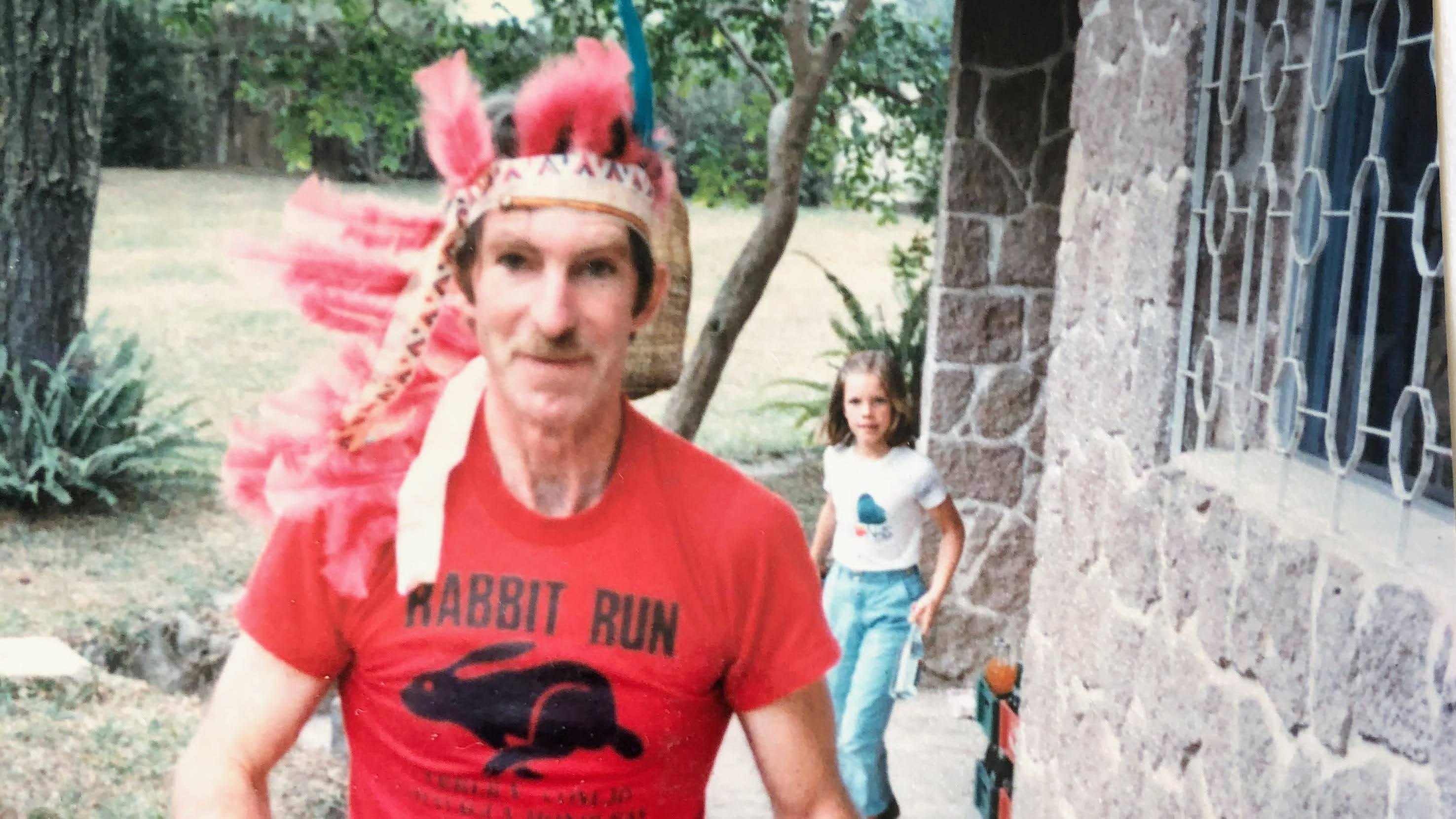
For my dear friends Alison and Ashwin—and anyone who is navigating, or has navigated, the loss of a parent.
Besides midlife being a turning point on a personal level, it also comes with aging parents—and passing parents.
For me, I recently drove my 83-year-old mother to the airport for her self-planned trip to Guatemala and Mexico. Go mom!
And my dad? He’s somewhere as dust and ashes in the flowering meadows of Tahoe, California, and under olive trees in Provence. He passed away a few years ago, toward the end of COVID in 2021. He had Alzheimer’s, aphasia (he struggled to speak with actual words), and a kidney tumor. But I don’t think he died because of these illnesses—he died out of loneliness. We had to lock all the doors of the house because he started wandering out into the streets, and we lost him several times. He was also locked in his own body. He couldn’t remember things, and he couldn’t communicate. This made him angry, bitter, and physically violent, exacerbating his loneliness as he became unpleasant to be around.
The night he died, I remember very clearly. He was lying in a bedroom downstairs, his body emaciated and gray. He started breathing very heavily, panting, his lungs gasping for their last breaths of air. It seemed to go on for hours. The body’s reaction to distress—the will to survive—is so strong. But his soul was already gone. I couldn’t stay; it was too painful to watch. So I left and tried to sleep, knowing that the next day he’d be gone.
Throughout his life, he gave me many things. He gave me my love for nature: hiking through green forests and mountains, and diving into tropical underwater wonders. He gave me my love for sports and staying active. He gave me my first books on meditation and Buddhism at the age of 25—though it took me another 25 years to actually read them. Nevertheless, he saw a spiritual side of me that I was unaware of until now.
He was a very funny person and a great father and grandfather. He’d let us hang onto him in the pool, ride the bucking whale, play tag and ball in our backyard, and wrestle with him on our living room rug. He loved dancing and music, and he liked to tease and have fun. He loved me, was nonjudgmental, and believed in anything I wanted to do.
But he also had an angry side. He worked hard, was often stressed, and didn’t sleep well, which made him moody and irritable. He became bitter and resentful, feeling trapped in his marriage. When he retired, he quite quickly started getting forgetful—forgetting that he’d ordered dessert at a restaurant, or struggling to use the computer. He denied it, but the signs of his deterioration were there. He couldn’t stand losing his independence and being taken care of by my mom, which fueled his violence.
After he died, I thought: what was the point of it all? What a shame to die in such a way—so angry, lonely, bitter, and resentful. I was angry at him for staying in a marriage that made him so unhappy. I was angry that he didn’t take better care of himself or try to make the marriage work, acting instead like a revengeful victim. I also felt guilty for not staying with him until his last breath.
It took me a few years to grieve and process his passing.
Then, through a coaching session, I realized something beautiful, and the anger and guilt lifted. My dad had been—and still is—like an angel to me, sending me messages. He taught me how to live my life, and he gave me the gifts of how not to live my life. Had he died peacefully and happily, I probably wouldn’t have woken up. Instead, the circumstances of his death jolted me awake. Fully.
I knew that if I wanted to live to a happy old age—and not develop Alzheimer’s like him and my grandmother—I had to make changes. Alzheimer's is a lifestyle disease that affects roughly half of women and a quarter of men. At the time, I had been struggling to sleep for about four years, was highly stressed, had many digestive issues, and was dealing with a multitude of nasty perimenopausal symptoms.
After nursing myself back to health, I started on a journey to learn everything I could about wellbeing, stress management, and health. This was his first parting gift.
Lately, his second gift has become more apparent—one I was already aware of, but that has resurfaced in my own life: the importance of relationships and love. When we are on our deathbeds, looking back on our lives, what will we remember (assuming our brains allow us to access our memories)? We will hopefully remember all the beautiful things we did in good health and all the meaningful moments with loved ones—and not die lonely, without memories, and unhappy.
What about you? What gifts have your parents given you through their imperfect lives?
Both of my dad's gifts have fueled my coaching practice in wellbeing and relationships. Thank you, Dad, for all of your parting gifts. I’m passing your message on to others.
Dive deeper...

The Hidden Pitfalls of High-Achievers: Breaking Free from the Hustle Trap
While it’s inspiring that people are working toward a fairer, more inclusive society, my approach focuses on personal empowerment within these realities. Given that life’s challenges are inevitable and many factors remain outside our control, how can we still strive for success without putting ourselves…
Continue reading...
Embracing Transitions: From Challenges to Opportunities
The Constant of Change and the Challenge of Transitions Fall is a time of transition for many of us. Whether it's returning to work after a summer holiday, sending kids back to school, or companies realizing they have only a few months left to meet…
Continue reading...
Embrace the Summer Slowdown: A Time for Reflection, Renewal, and Realigning Your Leadership Journey
Embracing the art of slowing down Summer beckons us to embrace a slower pace of life, allowing us to step away from the hectic day-to-day demands of leadership. Use this time to intentionally slow down and create space for reflection. Give yourself permission to relax,…
Continue reading...